Double Feature or One Long Film? Choosing a Night's Shape
Choose a double feature or one long film by matching the evening to your available time, appetite for contrast and group’s desire to talk.
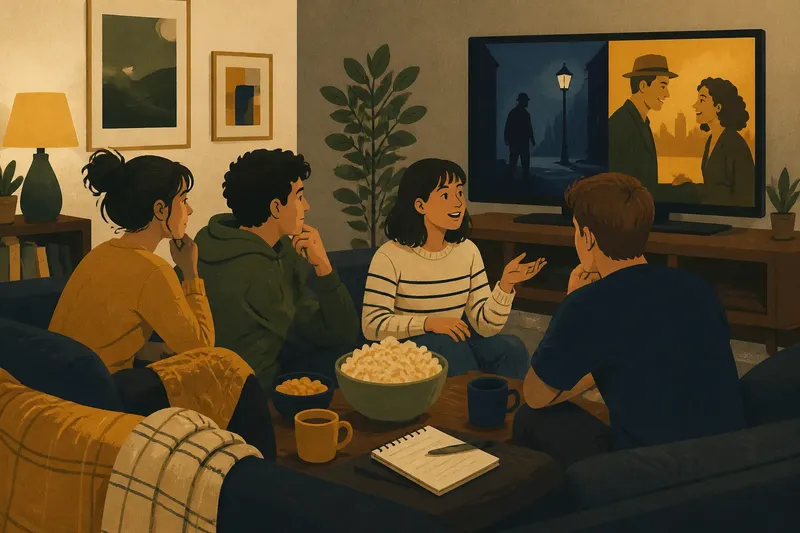
You have snacks on the table, a free evening ahead and two appealing options: watch one substantial film, or pair two shorter ones. Choosing a double feature or one long film is less about which format is better than what kind of attention and company the night can hold.
A useful decision starts with three things: the time you can actually give the evening, whether you want contrast or immersion, and how much conversation sounds enjoyable. Match those to the situations below, then choose films that suit the shape.
Start with the evening
Count the whole occasion, not only the running time listed in a streaming app or on a disc case. Allow room for settling in, a pause, food and the possibility that someone will want to talk afterwards. If your guests have an early start or you have a firm bedtime, a double feature can quietly become too much of a commitment.
One long film often works best when everyone can protect a continuous stretch. It gives the group one story to enter and stay with, without the practical interruption of choosing a second title. That can feel generous on a quiet night, especially when the film’s shifts in mood or scale are part of the appeal.
A double feature suits an evening with a natural break built in. You might have time to make tea, stretch your legs or discuss the first film before starting the next. The pause matters: it lets the pair feel like two deliberate experiences rather than one long block of screen time.
Choose by situation
- Your time is uncertain: Choose one film if you need a clear stopping point. A double feature makes more sense when you can leave the second title optional and agree that finishing both is not the measure of a successful night.
- You want to compare moods: Choose a pair with a meaningful difference, such as a tense mystery followed by a gentle comedy. The change gives you something to notice and discuss; two films with nearly identical moods may blur together.
- The group wants to talk: A double feature offers a ready-made interval for reactions and a comparison afterwards. If conversation tends to grow into a lively debate, though, one film may leave more room to stay with a single set of characters and choices.
- Everyone is tired: Choose the shorter, simpler commitment, not automatically the shorter runtime. A demanding film can ask for more concentration than its length suggests, while a familiar or easygoing choice may suit a low-energy evening better.
- You are watching alone: Let curiosity lead. A pair can make a satisfying personal programme, while one longer film can reward an uninterrupted, unhurried watch. Choose the format that makes you keen to press play rather than obliged to complete a plan.
Imagine your group has a loose evening, one person enjoys suspense and another prefers comedy. You could agree on a mystery first, take a proper break, then choose a light comedy as the second film. The observable difference is that the break gives everyone time to reset and the contrast offers a simple conversation prompt; if the first film leaves the group ready to stop, the second remains optional.
Plan a useful contrast
A double feature is most satisfying when the films have a connection that is easy to feel but does not make the second one a repeat. You could pair a tightly plotted thriller with a character-led comedy, or choose two films that approach a similar subject in different tones. The first kind of pairing changes the mood; the second invites comparison.
Keep the connection clear enough to remember, but loose enough that each film stands on its own. A shared actor, setting or broad genre can be a starting point, yet it need not become homework. If the group would rather choose by instinct, let each person nominate one title and settle on a pairing that has a noticeable difference in pace or feeling.
For a group with mixed tastes, agree on the first film together and make the second a lighter choice. Another option is to let one person choose each title, with the understanding that the pairing is about sharing an evening rather than finding a perfect match. A simple agreement prevents the selection process from taking longer than the films deserve.
Make one film feel roomy
One longer film can be the better choice when its appeal lies in gradual change, an ensemble cast or a world that takes time to reveal itself. In that case, a break may make the evening easier, but splitting the film can also weaken the sense of continuity. If you do pause, choose a natural stopping point rather than interrupting a scene simply because the clock says so.
Think about the room as well as the title. Put phones aside if the group wants an immersive watch, keep the lighting comfortable and agree whether anyone wants captions. These small choices can make it easier to follow a film without turning the evening into a formal event.
If attention is likely to wander, do not assume that two films will solve the problem. A change of title can refresh interest, but it also asks everyone to make a second choice and begin again. One film with a tone the group genuinely wants may be a kinder plan.
Double feature or one long film?
Is a double feature always longer?
It usually involves more total viewing time, plus a pause and a decision between films. But the pair can feel more flexible if the second title is optional and the group is happy to finish after the first.
How should we choose the second film?
Pick a contrast that sounds appealing, such as a different mood, pace or style, rather than simply adding another title. Keep the choice easy enough that the break stays a break instead of becoming a long search.
Should we discuss the first film before the second?
If the group enjoys talking, a short conversation can make the pairing feel intentional. If everyone prefers to stay immersed, take a quiet pause and save comparisons for after both films.
What if someone wants to stop early?
Decide beforehand that watching the second film is optional. That gives people permission to enjoy the first without treating the evening as unfinished if their energy changes.
Set a comfortable stopping point
For a double feature, choose the first title before the evening begins and keep a small shortlist for the second. A streaming watchlist, a DVD shelf or a note on your phone can prevent the break from turning into an extended scroll. Agree on a latest start time for the second film, or decide in advance that you will stop if the first ends late.
For one long film, check that the group is willing to give it the attention it asks for. That does not mean promising perfect focus. It means making a realistic choice: a quiet, character-rich drama may suit a settled evening, while a restless group may prefer something brisk or a pair with a clear interval.
When choosing a double feature or one long film, trust the evening’s shape more than a rule about what a proper movie night should look like. If people want contrast and conversation, give them two films and a breathing space. If they want to settle into one story, protect a stretch of time for it. Either way, leave the plan loose enough for curiosity—and everyone’s energy—to have the final say.