The Myth of the Perfectly Focused Watch
The perfectly focused watch is not the only good way to see a film. Choose a viewing mode that fits your evening and stop restarting when attention drifts.
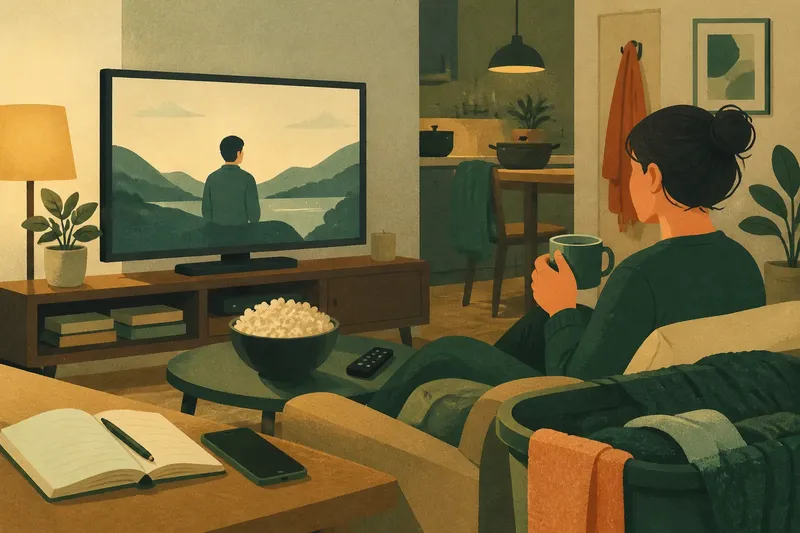
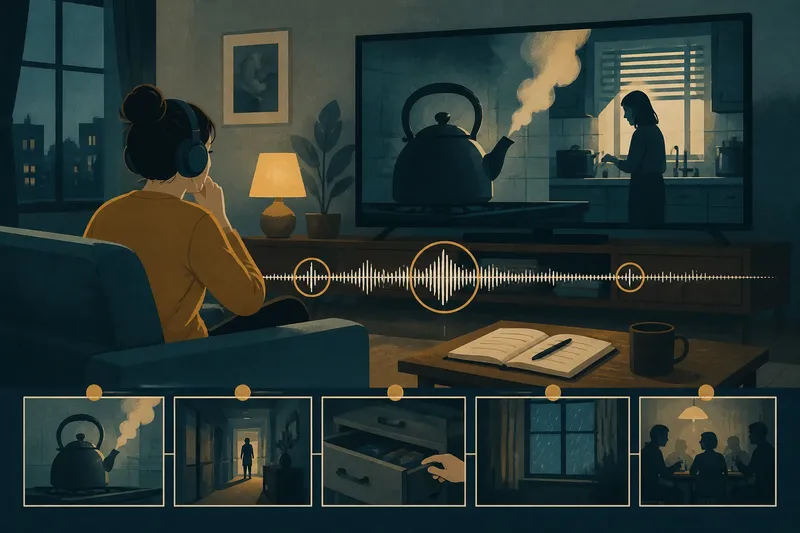
The kettle clicks off as the opening credits roll, and you realise you have been thinking about tomorrow’s shopping. A perfectly focused watch can be satisfying, but it is not the only way to enjoy a film. A better starting point is to choose what you want from the evening and set up the room accordingly.
Attention changes with the film, the company and the day you have had. A few practical adjustments can help you follow a story without turning every interruption into a reason to start again.
Choose a viewing mode
Some films reward a quiet room and an uninterrupted stretch. Others make easy company while you cook, fold laundry or chat with a friend. Those are different ways of spending time with a film, not competing standards.
Before pressing play, decide what suits tonight. If you want to follow intricate dialogue, put your phone aside and choose a seat with a clear view of the screen. If you want something alongside dinner, pick a familiar film or one whose story is easy to rejoin after a brief distraction.
It also helps to be honest about the choice. A casual watch may leave you with a broad sense of the story rather than every detail. A close watch makes room for small changes in a performance or the way a scene is cut.
Rewind with a reason
Rewinding can be useful when a missed moment changes your understanding of what follows. But going back each time your mind wanders can interrupt the flow and make the remote feel like a concentration meter.
Ask whether the missing detail matters to your enjoyment or comprehension. If you have lost track of who has just arrived, a short rewind may help. If you missed a passing remark and the next scene is clear, carry on.
Say you are watching a mystery after work and drift during a conversation about a train ticket. You notice the next scene still makes sense, so you continue. Later, if the ticket becomes central and you want to know what was said, pause and rewind to that exchange. The choice depends on what you want from the story, not on a duty to retrieve every line.
Find the source of distraction
When attention slips, check what is competing with the film before changing your opinion of it. A buzzing phone, a noisy room or a thought about an unfinished task can all pull you away.
If a message needs a reply, pause and deal with it. If conversation is making dialogue hard to hear, move to a quieter room or save the film for another evening. If you feel restless, stretch or make a cup of tea, then decide whether you want to resume.
One distracted session need not settle your view of a film. You can continue, pause or stop based on what you want to do next, rather than treating that choice as a verdict on your taste.
Match the setting
A few simple choices can make a film easier to follow or better company. Use this list to decide what to change before you press play:
- Dialogue: If you cannot hear the conversation clearly, lower nearby noise or use headphones; if that is inconvenient, choose a quieter time.
- Phone: If notifications keep drawing your eyes away, silence them or leave the phone across the room; if you need to stay reachable, pause when a message arrives.
- Task: If the film needs close attention, set aside the washing-up; if you want background company, choose a familiar film that you can follow while doing the task.
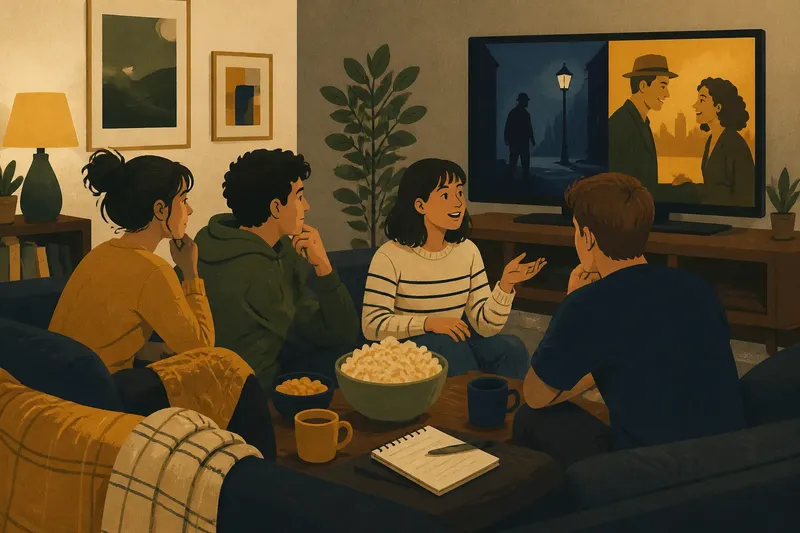
- Company: If guests want to talk, pick a film that leaves room for conversation; if everyone wants to follow the story, agree to keep the room quieter.
- Comfort: If you are uncomfortable in your seat, adjust the cushions or move; if you are too tired to settle, save the film for a time when you can enjoy it.
- Interest: If a new film still has you curious, give it more time; if you are only watching to say you finished, stop or save it for another evening.
Decide whether to continue
Finishing a film can feel satisfying, but it is not the only useful outcome. You might stay because you want to see where the story goes, or stop because another activity now matters more.
Imagine you have started an unfamiliar drama while making dinner. You pause when the cooking needs your attention, then return after eating. The opening scene no longer feels fresh, but you remember the main character’s dilemma, so you continue. If you had forgotten the situation, you could replay a short stretch; if the story no longer held your interest, you could leave it there and choose another film.
There is no need to turn the decision into a judgement about the film or yourself. You can note the title in your phone’s notes app if you might want to return, or simply move on.
Focused watching questions?
Do I need to watch a film without pausing?
No. Pause when you need to deal with something or want a break. Resume when you are ready, or leave the film for another time.
Should I rewind every scene I miss?
No. Rewind if the missing detail matters to the story or to your enjoyment. If you can follow what happens next, continue.
Can I watch a serious film casually?
Yes, but divided attention may mean you notice fewer details. If you later want to concentrate on its performances or editing, return to it in a quieter setting.
When should I stop watching?
Stop when you would rather spend the evening doing something else. If your interest returns, you can pick up the film another day.
Leave room for real life
A film can share an evening with dinner, a phone call or a pause to answer the door. Choose a viewing mode that fits the time you have, then make small changes if the room or your attention shifts.
For a close watch, the useful question is not whether you caught every moment. It is whether the sound, seat and interruptions left you able to follow what mattered to you. That gives you a practical way to shape the next viewing, whether you want a quiet screening or a story beside the washing-up.